Where the Waves Whisper and Curiosity Leads
Today we’re diving into Shore-Hugging Snorkel Adventures, celebrating the magic that happens just a few fin kicks from dry sand. Expect calm coves, shimmering eelgrass, tidepool discoveries, and wildlife up close. Bring your questions, share your favorite inlets, and subscribe for more coastal routes, safety tips, and stories from swimmers who learned to read every ripple like a friendly invitation.
Getting Close to the Coastline, Safely
Shallow water can feel comforting, yet nearshore zones demand sharp awareness. Learn to time entries between sets, scan for rip currents, and pre-plan exit points before your mask even fogs. We’ll help you build a calm routine that keeps joy front and center, invites mindfulness, and turns every gentle launch into a confident start rather than a hurried dash through churning foam.

Choosing Calm Windows
Use tide tables, wind forecasts, and swell period charts to pick forgiving conditions where visibility, surge, and current align. Early mornings often offer glassy surfaces and honest clarity. Ask lifeguards about local quirks, read posted advisories, and share your own observations with fellow explorers in the comments so newcomers can learn why patience makes every shoreline entry far more welcoming.
Gentle Entries and Exits
Study the shoreline before suiting up, spotting protected gaps between rocks, sandy tongues, or channels behind small boulders. Shuffle feet to avoid stingrays, and keep fins in hand until waist deep. Map two exits in case swells build. Practice calm breathing and unhurried steps, remembering that a graceful entry sets the tone for a peaceful float and effortless return.
Buddy Communication Near Surf
Agree on hand signals for “okay,” “problem,” and “head back,” plus surface intervals for quick check-ins. Keep a small whistle at your neck and maintain visual contact when surge tugs. Decide lead–follow roles and stick to slow, predictable paths. Afterward, debrief together, noting what felt easy, what surprised you, and how you’ll adjust next time to keep comfort high.
Seagrass Neighbors
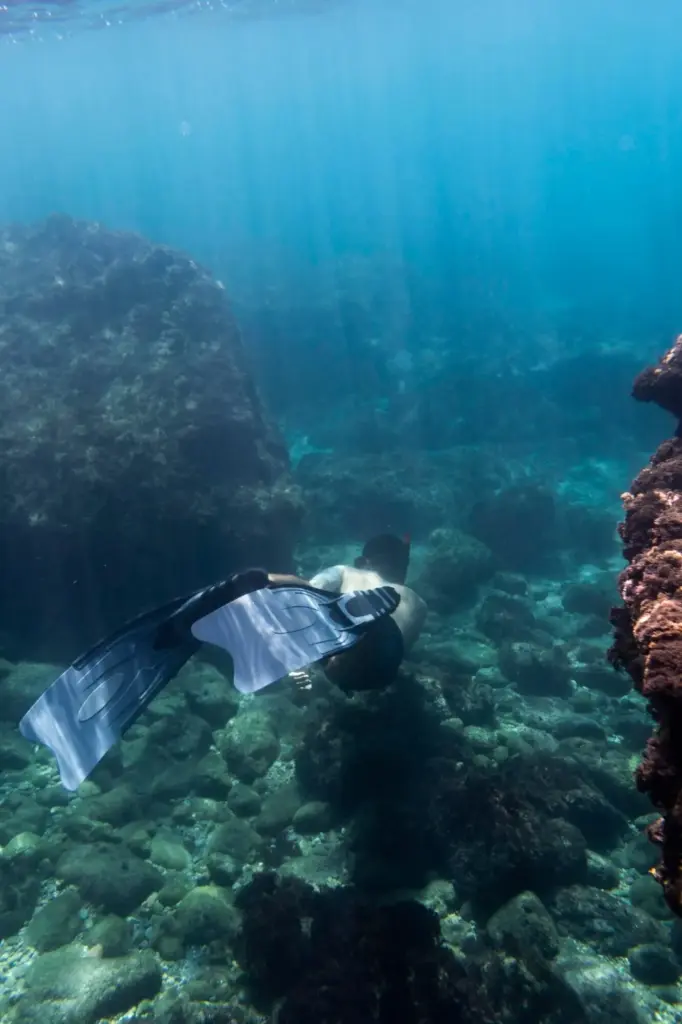
Knee-deep meadows hide pipefish, tiny seahorses in the right regions, and clouds of glassy fry learning to be brave. Glide inches above without kicking the blades, and watch how currents comb the grass like careful fingers. Share sightings with location-general notes to protect habitats, while inspiring others to appreciate how much wonder lives within a stone’s throw of shore.
Rock Pools Turned Classrooms
At low tide, pockets of water become crystal stages where anemones, sculpins, and hermit crabs demonstrate survival skills. Keep hands out, shoes on, and eyes open. Photograph behavior, not just shells. Invite kids to count species, compare colors, and release every creature gently. Tell us in the comments which tidepool surprised you most, and what lesson it quietly taught.
Gear Tuned for the Littoral Zone
Short-blade fins reduce leverage in surge, letting you pivot delicately around kelp or stones. Neoprene booties keep feet warm and confident on pebbles. Test fin straps for quick adjustments with cold hands. If you like gear reviews, subscribe—real-world shoreline tests help everyone pick combinations that reduce fatigue, minimize awkward waddles, and turn hesitant steps into steady, smiling strides.
A snug, low-volume mask clears with a gentle exhale and resists flooding when chop flicks your cheeks. Treat lenses with a mild, eco-friendly defog solution—many swear by diluted baby shampoo. Rinse sand away before reseating the skirt. Share your antifog tricks below, and let others know which shapes fit wide faces or narrow bridges without pressure marks.
A bright tow-float signals your presence to surfers and paddlers, while carrying a small mesh bag for shells you never take, only trash you remove. Clip a compact light for shaded ledges, and stash a laminated route card. Report how far a single flag improved local courtesy, motivating broader adoption of simple, respectful habits that keep coastal traffic harmonious.
Reading the Water from the Sand
Before you suit up, let the shore brief you. Study color bands that reveal depth changes, foam lines tracing rips, and darker patches suggesting eelgrass ribbons or reef fingers. Count the rhythm between sets, feel wind on your cheeks, and watch birds point at baitfish. Share your pre-entry checklist to help others turn guesswork into calm, curiosity-led decisions.

Micro-Adventures You Can Finish Before Lunch
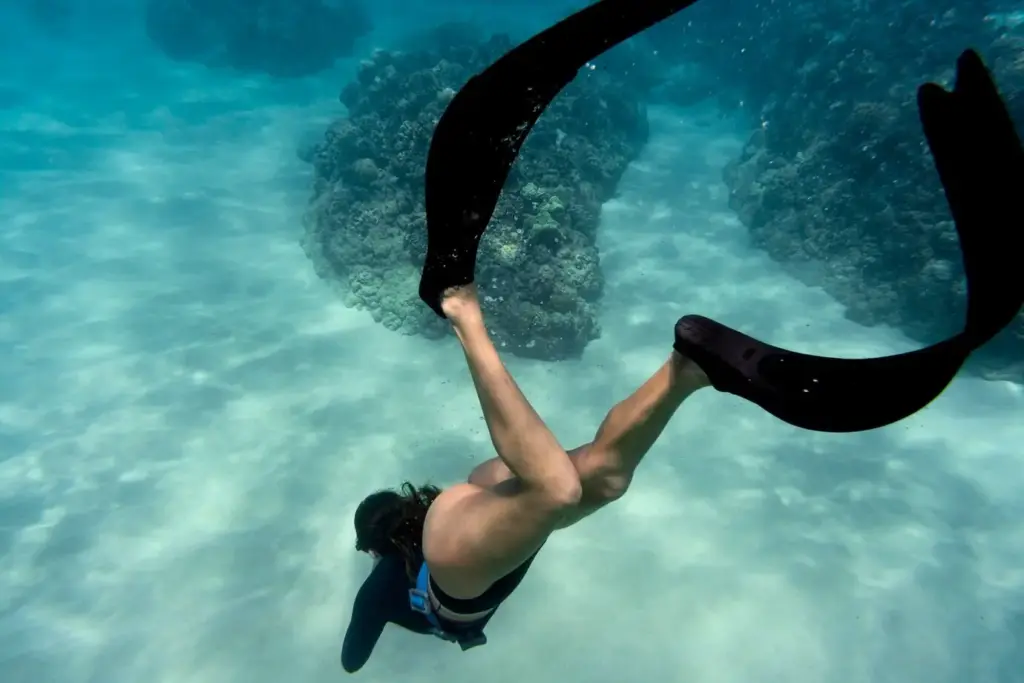
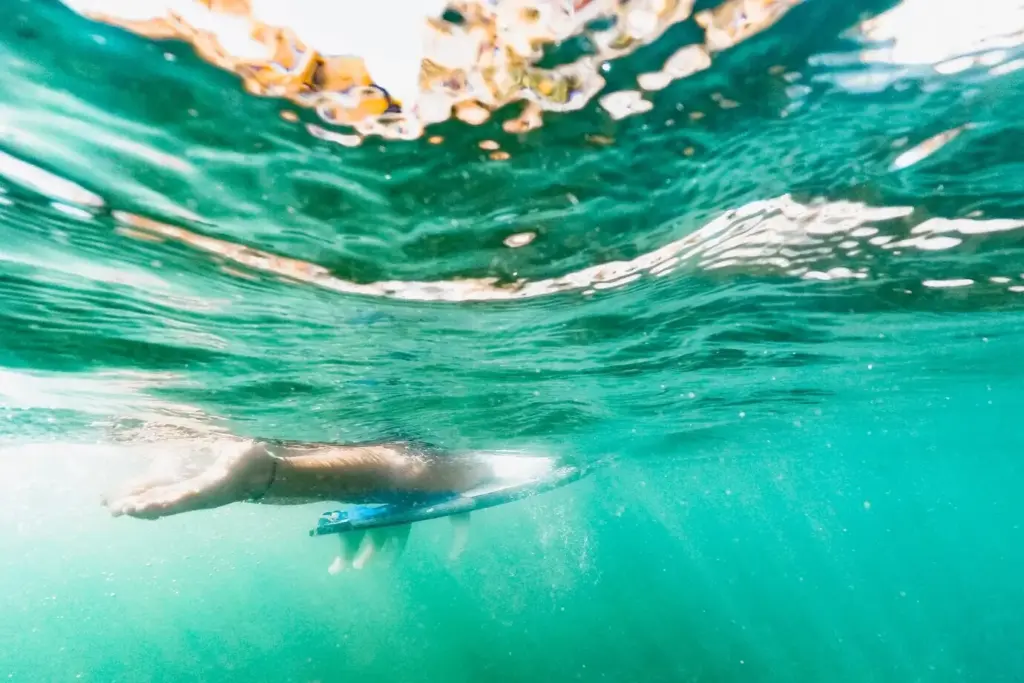
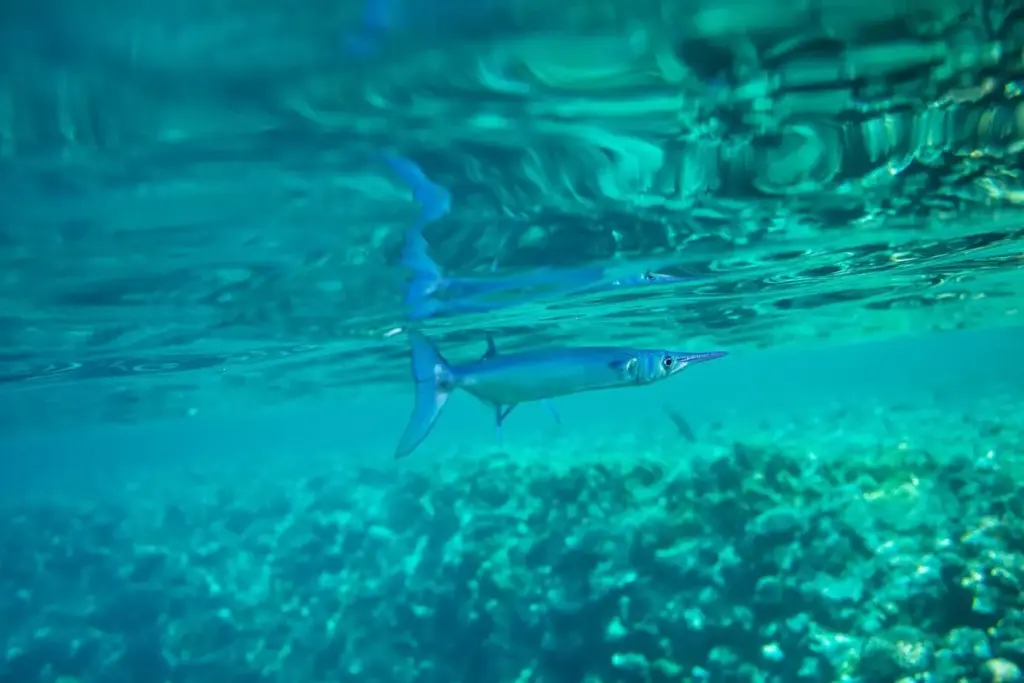
Not every outing needs a boat or a long swim. Plan looping routes that start and end at the same towel, give you a handful of memorable encounters, and wrap before meetings or school pickup. Share your favorite circuits, and we’ll map community-approved morning, midday, and sunset laps that transform ordinary coves into delightful, repeatable rituals worth revisiting.
Harbor Wall Drift
Slip in beside a calm breakwater and let a gentle current guide you past starfish, barnacles, and bait balls shimmering like silver confetti. Exit at the next ladder and walk back smiling. Tell us how long it took, what you spotted, and whether coffee tasted different afterward. Your notes help others find weekday magic between sunrise and the first email.
Kelp Alley Meander
When kelp fronds brush the surface, weave carefully through their sunlit corridor, pausing to watch perch hover and sea lions inspect your bubbles. Keep hands tucked and fins slow to avoid tangles. Note anchor points, surge direction, and your calmest turns. Share ge neric location tips, inspiring respectful visits that prize quiet observation over chasing glossy moments.
Respecting the Shoreline and Community
Kind habits keep access open and habitats thriving. Avoid trampling vegetation, pack out trash, and never stand on living reef. Give surfers right of way, lower your voice near early-morning residents, and thank lifeguards. Encourage friends to switch to mineral sunscreen. Comment with local etiquette our readers should know, celebrating every small act that protects shared coastal joy.
All Rights Reserved.