
Stay Safe and Oriented While Snorkeling the Shallows
We explore safety and navigation for shallow coastal snorkeling near the beach, turning local conditions, simple gear, and mindful habits into reliable confidence. Learn to read waves and landmarks, move with tides, protect marine life, and coordinate with friends—then share your favorite shoreline markers or subscribe for fresh coastal micro-lessons.
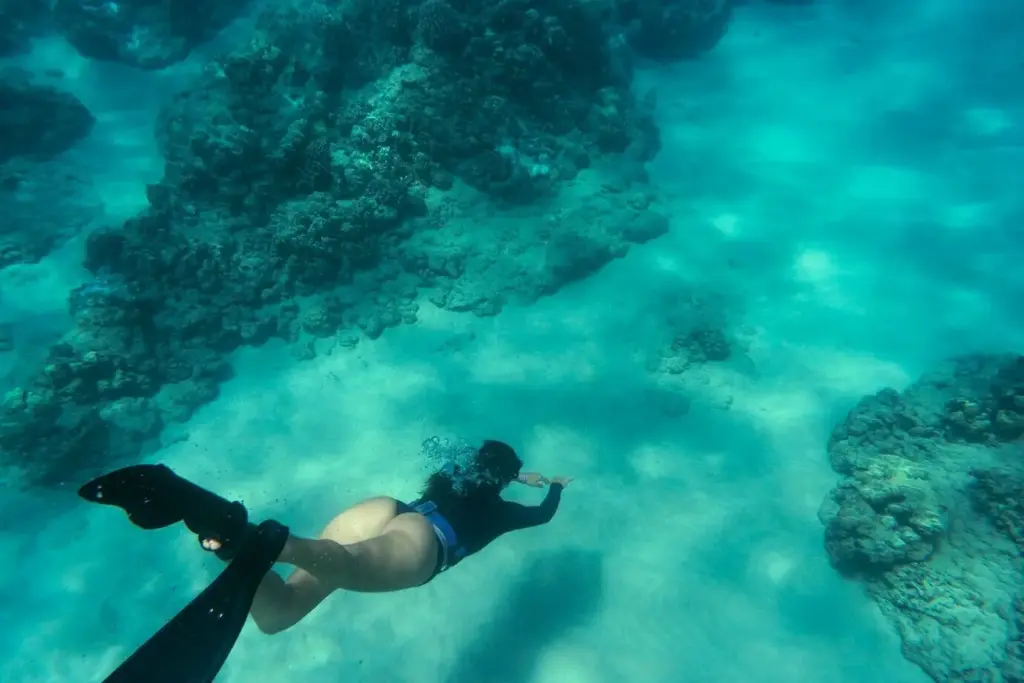
Seeing the Coast’s Signals Before You Enter
Beach edges whisper guidance if you listen with your eyes. By observing swell direction, foam lines, rip currents, and the rhythm between sets, you discover quiet lanes and safer gaps that simplify swimming, conserve energy, and keep you comfortably oriented within arm’s reach of a calm exit.
Small ripples reveal wind, while longer, marching waves hint at distant storms and hidden sandbars. Foam lines sketch currents like chalk on water, guiding you toward gentle pathways. Spend one unhurried minute watching patterns, then choose an entry that aligns with natural flow, not stubborn effort.
Fixed structures bend water in useful, predictable ways. On a flooding tide they often create comfortable lee zones; on the ebb they can accelerate flow at tips. Study eddies, watch floating seagrass, and plan routes that keep you upswell first, returning with friendly water behind you.
Gear that Keeps You Safe and Oriented
Simple, well-chosen equipment turns uncertainty into calm. A clear, low-volume mask improves peripheral awareness; flexible fins reduce strain in small surf; a bright snorkel or surface marker increases visibility. Add a whistle, ID tag, and reef-safe protection to stay seen, identified, and environmentally considerate throughout your swim.
Mask Fit, Snorkel Choice, and Low-Volume Benefits
A gentle seal that holds with no strap pressure tells you the mask shape is right. Choose a simple snorkel with a comfortable bite and easy purge. Low-volume designs clear fast, reveal edges sooner, and help you notice hazards or companions without exhausting head turns.
Fins and Foot Protection for Rocks and Urchins
Short, responsive fins reduce awkward leverage in waves and make tight maneuvers near reefs smoother. If the entry is stony, wear light booties or tough socks to shield from urchins and shells. Secure straps snugly, then test-kick briefly before committing to any channel or point.
Compact Safety Essentials: Whistle, SMB, Mirror, and ID
A pea-less whistle carries farther over wind. A small surface marker buoy or bright float increases boat awareness, even near shore. A mirror or light flashes reliably, while an ID tag shares critical contacts. Pack them habitually, like sunscreen, and your future self will thank you.
Navigation Skills for Familiar and New Beaches
Even in waist-deep water, orientation matters. Knowing where the sun tracks, how swell bends around points, and which buildings line the promenade helps you return calmly. Build simple habits: set a turnaround time, note your entry landmark, and aim to finish with energy in reserve.
Natural Compass: Sun, Swell, and Shore Landmarks
Imagine the sun as a slow-moving arrow, the swell as a steady drumbeat, and the skyline as your map border. When all three agree, travel feels effortless. When one drifts, pause, recheck bearings, and adjust early before fatigue multiplies small navigational mistakes.
Using Seagrass, Sand Ripples, and Rock Formations as Trails
Nature draws convenient lanes across the bottom. Parallel sand ripples hint at prevailing flow; seagrass patches frame corridors; rock edges create reliable handrails for your eyes. Track a chosen feature out, then follow it back, verifying with surface glances so you never feel lost.
Keeping Distance from Turtles, Rays, and Nesting Fish
A wide berth prevents stress, protects delicate skin, and keeps you safe from accidental tail flicks or defensive charges. If an animal approaches, stay still and give it the right-of-way. Avoid hovering above nests or blocking escape routes, and celebrate any encounter that ends with calm departures.
Avoiding Stings and Scrapes: Jellyfish, Fire Coral, and Urchins
Scan ahead and below for tentacles or glowing patches on rocks. Keep knees and hands away from surfaces, using controlled, gentle fin strokes to maintain space. If contact occurs, exit calmly, rinse, and follow local medical guidance. Prevention and patience beat bravado in every shallow-water story.
Leave No Trace: Buoyancy, Kicks, and Gentle Hands
Master a low, horizontal position so fins rise behind, not down toward corals or shells. Use frog kicks near the bottom to limit silt clouds that confuse fish and you. Keep hands to yourself, photograph with distance, and let reefs heal from storms without extra scars.
Buddy Systems, Signals, and Shore Support
Trust grows from simple agreements made before you splash. Decide roles, spacing, and what to do if someone stops having fun. Share hand signals, carry a noise maker, and ask a friend onshore to watch your path so help arrives quickly if anything feels off.
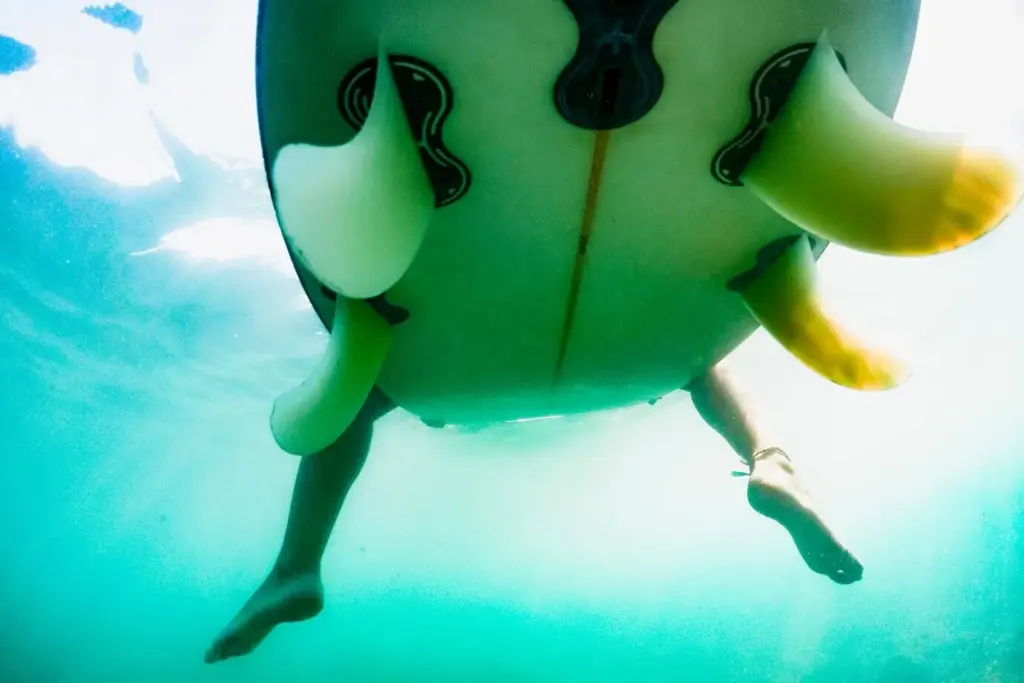
Pre-Dive Brief, Roles, and Lost Buddy Procedure
State your maximum distance from shore, how you’ll pace rests, and who leads outward versus inward legs. If separated, both surface, signal, and return to the last shared landmark. Good plans reduce drama, letting curiosity and laughter carry the day rather than preventable surprises.
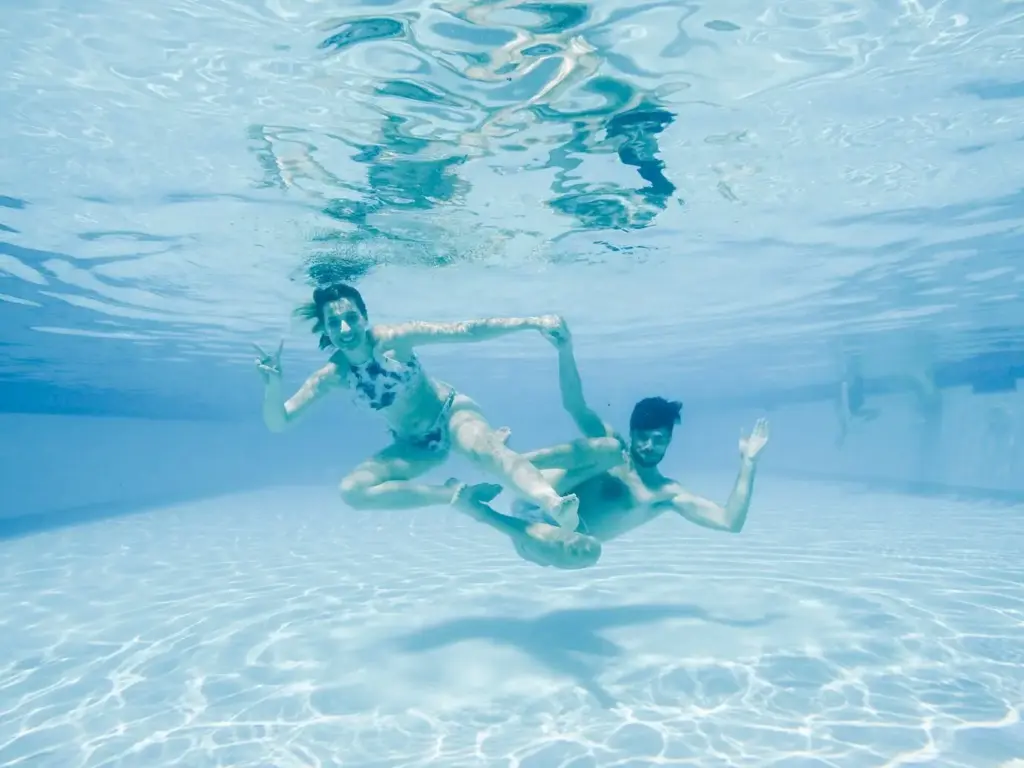
Hand Signals, Noise Makers, and Surface Communication
Agree on easy gestures for OK, stop, look, and go back. A short whistle burst cuts through crashing waves, while a raised arm or bright buoy catches distant eyes. Check in often, then save longer chats for shore, where stories and smiles stretch time.
Planning, Entries, Exits, and Emergencies
A thoughtful plan begins at home with maps and tides, then continues on the sand with patient observation. Mark your entry, visualize your exit, and identify backup spots. Pack water and snacks, know local emergency numbers, and keep pride small enough to turn back early.
Smart Entry and Exit at Sandy Coves and Rocky Points
Time your steps between sets, float past the first break, then don fins in chest-deep water for balance. Scout rocky exits beforehand, noting grip stones and shaded pockets. If conditions change, choose the wider, gentler route and finish with extra breath to spare.
Micro-Rescues: Cramp Release, Tow Basics, and Help Signal
Practice calf stretches and ankle rolls so cramps yield quickly. For a tired companion, offer a gentle tow with their hands on your shoulders and their face calm in the water. Three distinct whistle blasts or waved arms summon attention without confusion from playful gestures.
All Rights Reserved.