Pack Smart, Dive Happy: Nearshore Snorkeling Essentials
Today we focus on essential gear and a reliable packing list for nearshore snorkelers, turning shoreline curiosity into effortless exploration. You will discover how a properly fitting mask, a comfortable snorkel, and well-chosen fins transform short swims into relaxed, colorful encounters. We will highlight safety items, packing strategies, and easy maintenance that protect your time and budget. By the end, you will have a simple, confident routine for preparing, entering, and enjoying clear, shallow water without stress. Share your favorite must-carry items with us and help others learn from real-world shoreline adventures and little lessons earned between sandy toes and friendly waves.

Read the Water: Nearshore Conditions Shape Your Choices

Nearshore outings reward you for noticing details before you even put on your mask. Gentle shore breaks, changing tides, and subtle currents influence what you pack, how you enter, and which backup items prove invaluable. A simple float for visibility, protective footwear, and compact first-aid respond directly to what the shoreline presents that day. By combining observation with a lightweight, adaptable kit, you keep energy for the good parts, like curious damselfish, swaying seagrass meadows, and painted rocks that hide shy crabs beneath shimmering lenses of light.

See and Breathe Effortlessly: Masks, Snorkels, and Defog That Works

Clear vision and easy breathing are the heart of joyful nearshore swims. A mask that seals without pressure transforms everything; a comfortable snorkel reduces jaw fatigue and lets you linger without mouthpiece irritation. You will learn fit tests that work in a shop and on the beach, plus quick defog routines that hold for the entire swim. Pack backups like extra straps, spare snorkel keepers, and a small microfiber cloth to protect lenses. With a little preparation, your world remains bright, calm, and beautifully detailed from the first gentle kick.

Finding a Leak-Free Seal

Hold the mask to your face without the strap and inhale lightly through your nose; if it stays put, the skirt shape matches your features. Silicone should feel supple, not stiff, and frame pressure must sit evenly along the brow and cheekbones. In your bag, include an extra strap and a soft case to prevent lens scratches while you adjust other gear. During the swim, reseat the mask calmly if any seepage occurs, and avoid overtightening, which often causes more leaks rather than solving them.

Snorkel Comfort and Bite Feel

Your snorkel should route comfortably along your head without tugging the mask skirt or irritating your jaw. A soft, replaceable mouthpiece reduces fatigue, while a purge valve eases clearing after playful surface chop or a quick duck dive. Test clip angle and tube length so it stays above water during gentle swell. Pack a spare mouthpiece and a tiny, food-safe silicone band to fix surprises. That simple preparation keeps your focus on turtle tracks, flitting baitfish, and rippled sunlight instead of adjusting a fussy bite.
Kick with Confidence: Fins, Footwear, and Exposure Protection

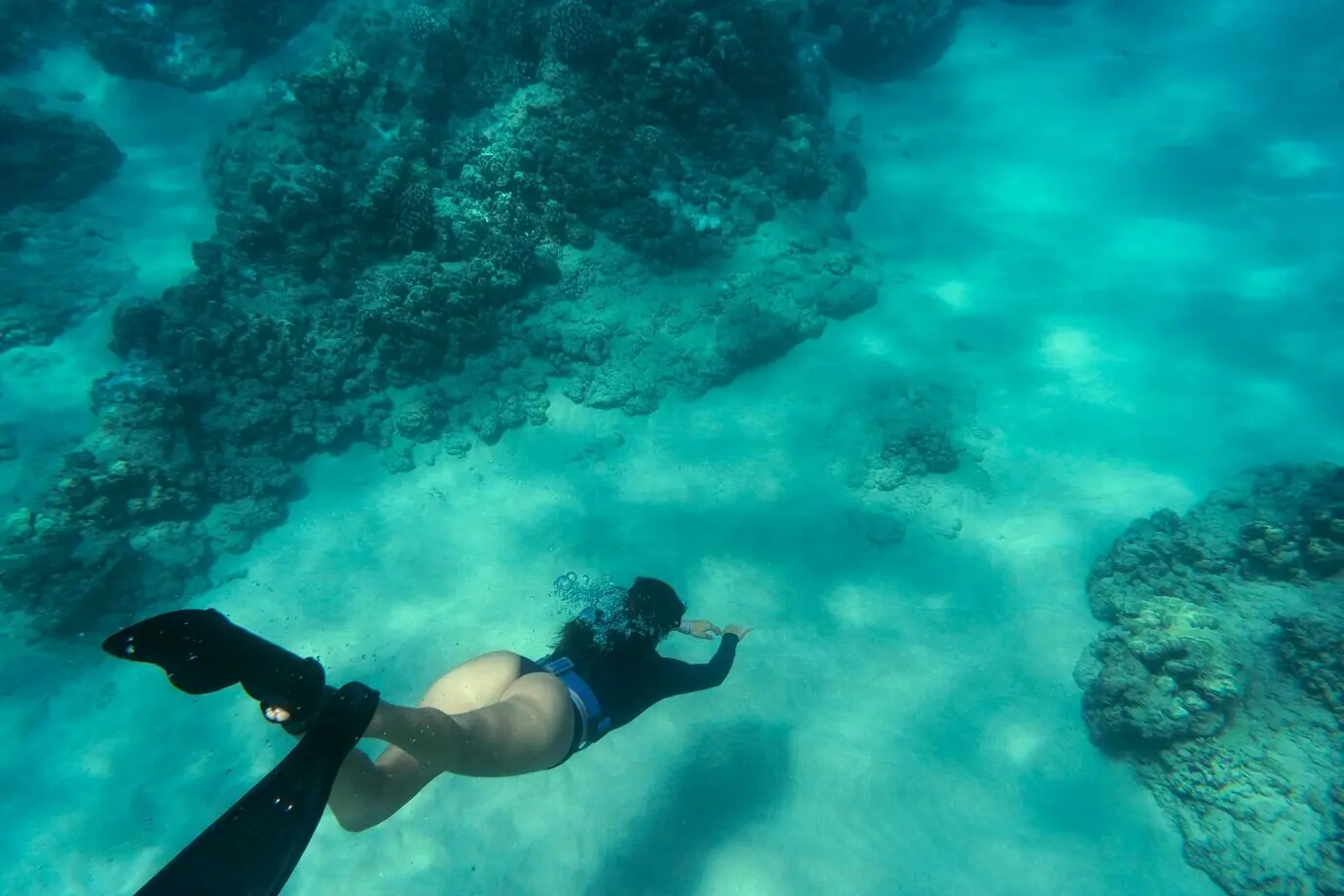
Fins turn relaxed swims into graceful tours, especially where small currents thread between rocks and seagrass. Choose blade stiffness for control, not speed, and consider travel-friendly lengths if you carry a compact backpack. Protective booties or snug full-foot pockets guard against pebbles, urchins, and unexpected shell edges during shoreline entries. Exposure layers matter in warm water too; a rash guard prevents chafe and sunburn, while thin wetsuits add comfort for longer floats. Pack light but wise, then enjoy longer, calmer, and more curious explorations between gentle, rolling waves.

Stay Safe and Seen: Flotation, Signals, and Simple Navigation
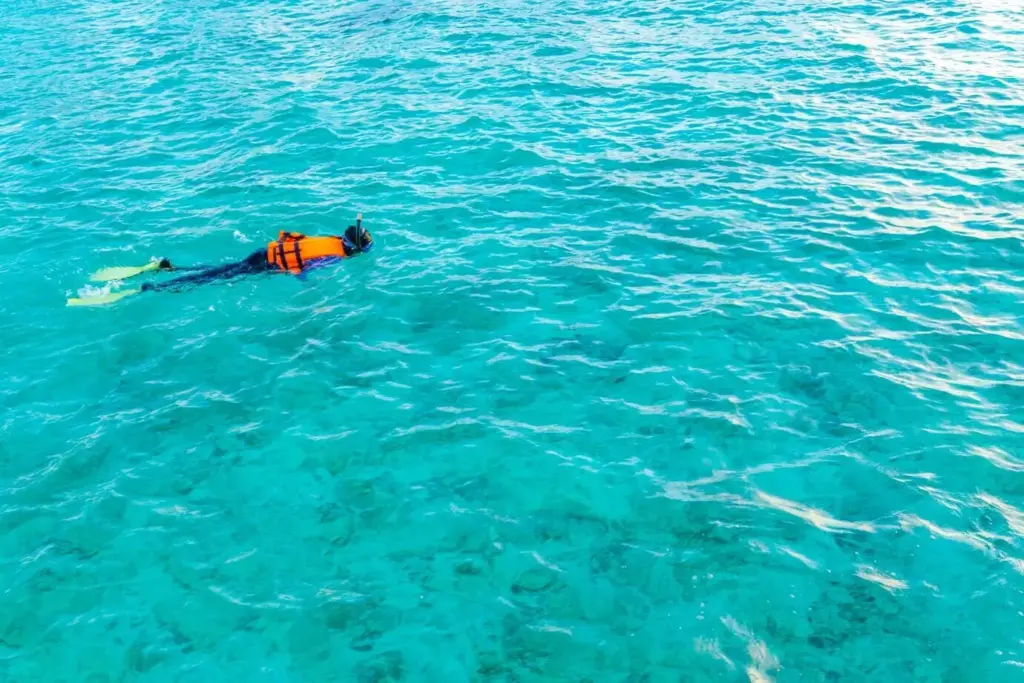
Safety tools for nearshore trips are lightweight, inexpensive, and profoundly reassuring. A slim snorkel vest or towable float increases visibility and provides a rest platform when organizing gear or clearing a mask. High-contrast colors, a loud whistle, and a small mirror turn a mild separation into a quick regroup rather than anxiety. Simple navigation methods, like pairing natural landmarks with a compact compass, keep you oriented even when shoreline perspectives blur. Pack these small items once, use them often, and swim with quiet, enduring confidence every single time.

Snorkel Vests and Surface Floats

An inflatable snorkel vest adds just enough buoyancy for calm rests without restricting movement, making it perfect for mixed-experience groups. A towable float, bright and compact, doubles as a gear platform for water bottles, a small dry pouch, or a discreet first-aid kit. Choose colors that pop in varied light, and test inflation valves at home. These choices extend comfort, reduce fatigue, and reassure companions who may be new to shoreline exploration, turning cautious first steps into smiles above shimmering, sunlit ripples.

Whistles, Mirrors, and Bright Colors

Signal tools are tiny but mighty. A pealess whistle works when wet and cuts through wind near busy beaches. A palm-size mirror flashes far, guiding friends or lifeguards without shouting. High-visibility bands on fins and masks help companions track you in surface chop. Store these items in a small, tethered pouch so they are useful, not hypothetical. That simple practice turns shared swims into relaxed teamwork, especially when curiosity leads you around a rock point or out along a patchy seagrass edge.

Compasses, Landmarks, and Time Checks

Nearshore exploration still benefits from gentle navigation. A tiny wrist compass and a mental note of two shore landmarks keep bearings clear when sunlight shifts or a cloud briefly dims your view. Set a soft turnaround time based on conditions and group energy, then verify periodically with a waterproof watch. This keeps swims playful instead of pressured. Combined with a bright float and a reliable buddy check, your navigation kit ensures you return exactly where you intended, refreshed and already replaying favorite underwater moments.

Choosing the Right Carry

A breathable mesh backpack handles fins, mask, and snorkel without trapping moisture, while a slim shoulder sling suits minimalist, quick dips before sunset. Consider weight distribution if walking far, adding a hip belt or padded straps. An exterior pocket for wet items prevents your towel from soaking, and daisy chains secure a float or compact pump. Test your setup on a short walk at home to reveal pressure points. When the bag disappears on your shoulders, the shoreline feels even more welcoming.

Dry Storage and Waterproofing

A roll-top dry bag inside your main pack is practical insurance. Keep valuables, a small defog bottle, a microfiber cloth, and identification sealed away from splash and spray. Use double protection for phones: a hard case inside a soft pouch minimizes heartbreak. For longer sessions, add silica packets to manage leftover humidity and prevent unpleasant odors. Label pouches by purpose so you can reach the right item without rummaging. That quick access preserves momentum and keeps pre-swim calm, especially when companions are eager to wade in.

Personal System and Checklist

Build a short, memorable checklist that you actually use. For example: mask, snorkel, fins, booties, vest or float, signals, sunscreen, water, ID, small first-aid, towel, and aftercare kit. Place it where you pack, not on your phone you might forget. After each outing, note what helped and what stayed untouched. Over time, your list becomes lean, accurate, and suited to your shoreline. Share your refined list so others skip early mistakes and leap straight into the part where fish glow like confetti in afternoon light.

Pack Light, Pack Right: Bags, Dry Storage, and Efficient Systems

A smooth packing system begins with the right bag and ends with fewer forgotten items. Mesh packs let gear drip-dry on the walk back, while a small roll-top dry bag protects phones, keys, and a compact first-aid kit. Use packing cells to separate clean items from sandy ones, and stash tiny spares like mask straps and mouthpieces where you can find them quickly. Build a checklist that suits your shoreline and season. Share your favorite additions with us, and help nearshore explorers everywhere travel smarter and smile longer.

Care, Maintenance, and Memories: Keep Gear Ready and Stories Alive

Good care extends the life of simple tools that make shore entries easy and unhurried. Rinse salt, sand, and sunscreen from every surface, then dry out of direct sun to preserve elastics and silicone. Store masks in cases, loosen fin straps, and coil snorkels without kinks. Keep a tiny repair kit ready with zip ties, spare buckles, and quick-dry adhesive for urgent fixes. Finally, record highlights in a log or shared album, inviting friends to return for another gentle, shimmering lap along the coast.

Rinse, Dry, and Store with Intention

Freshwater rinses remove salt crystals that harden skirts and stiffen straps over time. Pay attention to creases, buckles, and purge valves, then dry gear in shade to protect materials from ultraviolet fatigue. A ventilated storage bin prevents mildew, while a soft mask case stops incidental scratches in transit. Coil snorkels loosely and keep defog bottles upright. These simple rituals take minutes, cost nothing, and reward you with gear that feels reliably new, inviting you back to sea grasses, darting blennies, and dancing sunbeams tomorrow.

Quick Fixes and Field Repairs

A tiny pouch with zip ties, an extra mouthpiece, a universal mask strap, silicone bands, and a travel-size adhesive solves annoying snags that otherwise cancel swims. Pair these with a compact multitool and a few alcohol wipes for clean surfaces before patching. Label spare parts to avoid confusion on a windy beach. The ability to fix a loose buckle or seal a small tear instantly turns potential disappointments into short pauses, followed by that wonderful moment when you glide over rippled sand like nothing ever happened.

Logbooks, Photos, and Community

A simple log—date, tide, water feel, visibility, gear tweaks—builds personal wisdom that guides future packing decisions and helps friends learn faster. Capture a few shoreline photos, then put cameras away and enjoy unhurried observing. Later, share highlights, favorite entry spots, and checklists with community members who appreciate the same gentle pleasures. Your notes might help someone choose a safer entry or discover a relaxed cove. Invite readers to comment with their best nearshore packing tip, and let practical kindness ripple across the coastline.

Vumukopekazoralo
Privacy Overview

This website uses cookies so that we can provide you with the best user experience possible. Cookie information is stored in your browser and performs functions such as recognising you when you return to our website and helping our team to understand which sections of the website you find most interesting and useful.