Start at the Sand: Adventures That Begin Where Waves Kiss the Shore
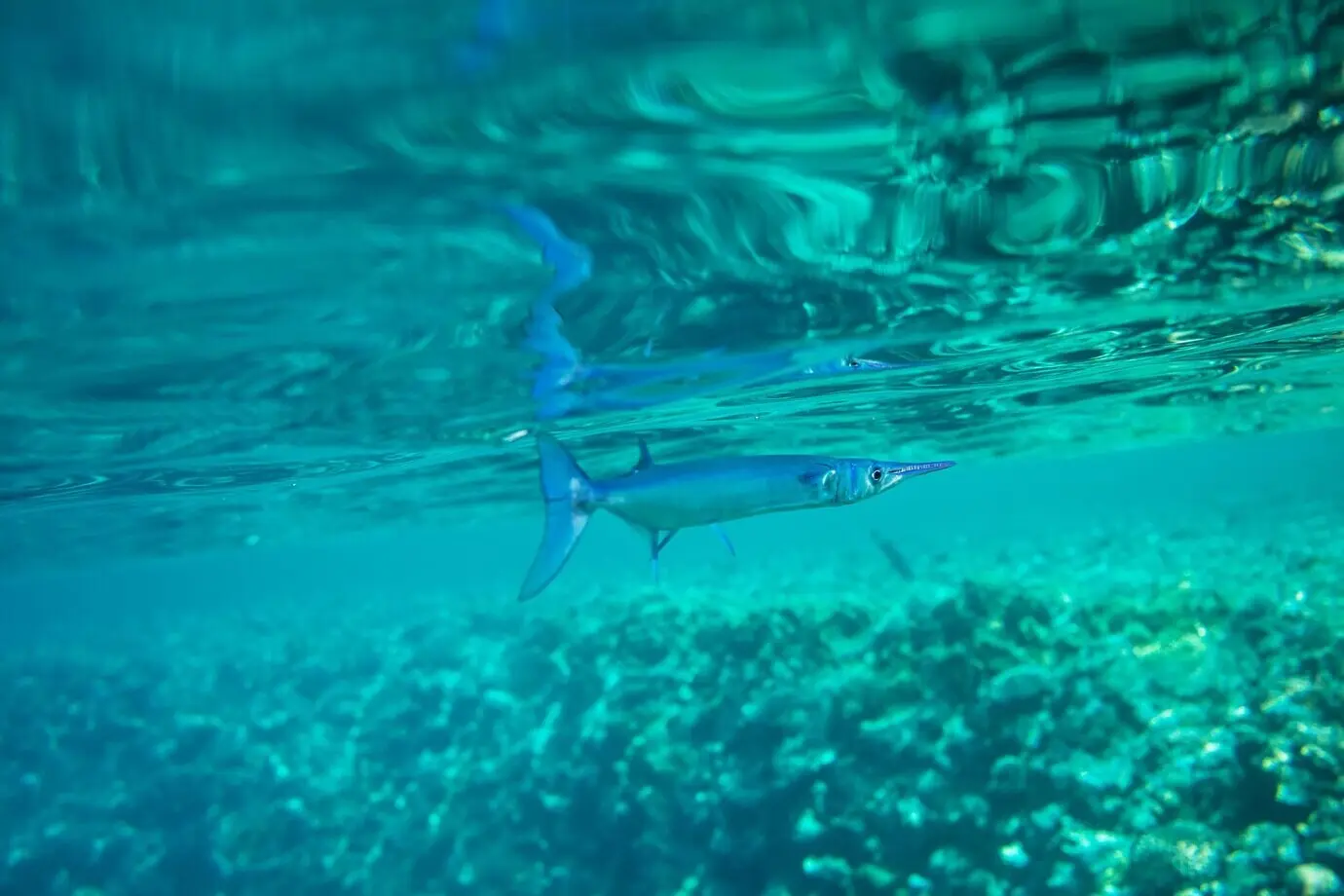
Today we dive into self-guided coastal snorkel trails starting from the shore, celebrating the freedom to plan your own route, read the ocean, and glide over living seascapes without boats or crowds. You will learn how to choose safe entries, navigate with confidence, respect marine life, and return with a story worth sharing. Bring curiosity, a well-fitted mask, and a mindful approach, and let the shoreline become your gateway to underwater wonder.

Tide Windows That Welcome You In

Low tide may uncover channels while exposing hazards, and mid-tide can soften entries as surge lessens across shallow benches. Study local charts and watch water levels against familiar rocks for a few days, noting when clarity and current feel kinder. By matching your start with a forgiving window, you extend your exploration time, conserve energy, and return more relaxed. Keep a simple log, compare patterns with friends, and refine your favorite launch times season by season.

Surf, Surge, and the Art of Timing Sets
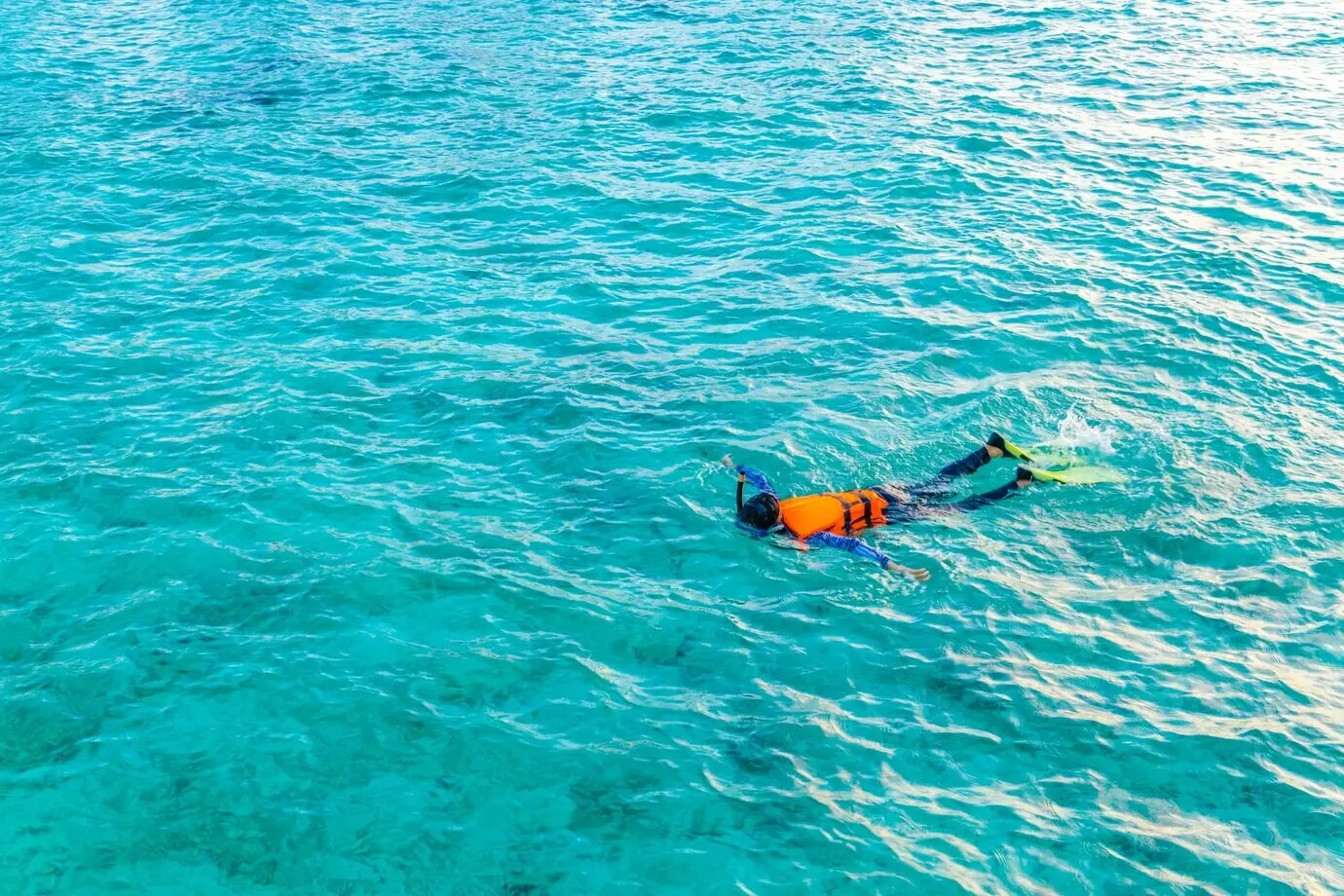
Even small surf can jostle a shoreline entry, yet a patient pause transforms chaos into order. Count waves, wait for the lull, and step forward decisively while cradling your mask. If a surge corridor funnels water through a narrow slot, shift twenty meters down the beach to find gentler energy. Watch experienced locals for cues. They often enter where foam lines disperse, not collide, hinting at quieter paths that make beginning a tranquil, self-guided swim feel effortless.

Choosing a Friendly Path Through Rocks and Reefs

A good entry spot is like a welcoming doorway, free of slippery algae, hidden urchins, and surprise drop-offs. Scan for soft sand pockets, wide breaks in rock gardens, and kelp lines that open like curtains instead of snagging. Walk the shoreline beforehand to identify exit alternatives, because a changing breeze can reshape the return. Mark your chosen path with a distinctive landmark, like a leaning palm or staircase, ensuring your final approach feels as calm as your start.

Beach‑Ready Gear That Makes Freedom Possible
Mask and Snorkel Fit That Disappears on Your Face

A mask that seals with a gentle press, not a tight strap, lets you forget equipment and focus on the seascape. Test the skirt with a quiet inhale and check that the bridge doesn’t pinch. Pair it with a snorkel that sits comfortably, with a mouthpiece that encourages easy jaw relaxation. Anti-fog rituals become second nature. When gear feels invisible, your breathing slows, buoyancy steadies, and your shore-start adventure becomes about discovery, not distraction, from first kick to last.

Fins for Shallow Gardens and Sand Channels

A mask that seals with a gentle press, not a tight strap, lets you forget equipment and focus on the seascape. Test the skirt with a quiet inhale and check that the bridge doesn’t pinch. Pair it with a snorkel that sits comfortably, with a mouthpiece that encourages easy jaw relaxation. Anti-fog rituals become second nature. When gear feels invisible, your breathing slows, buoyancy steadies, and your shore-start adventure becomes about discovery, not distraction, from first kick to last.

Visibility, Comfort, and Simple Safety Markers

A mask that seals with a gentle press, not a tight strap, lets you forget equipment and focus on the seascape. Test the skirt with a quiet inhale and check that the bridge doesn’t pinch. Pair it with a snorkel that sits comfortably, with a mouthpiece that encourages easy jaw relaxation. Anti-fog rituals become second nature. When gear feels invisible, your breathing slows, buoyancy steadies, and your shore-start adventure becomes about discovery, not distraction, from first kick to last.

Designing a Route: From First Kick to Confident Return
A thoughtful plan transforms an uncertain meander into a memorable circuit. Sketch a shoreline arc using landmarks you can spot from the water: a red-roof cottage, a lifeguard tower, a distinctive cliff. Choose conservative turnaround points that respect your energy and conditions. Consider wind shifts, boat lanes, and shaded coves for rest. The best routes feel generous—never rushed—allowing time to linger, observe, and savor. Leave details with a buddy on shore and enjoy the quiet mastery of preparation.
Start by swimming out along an underwater feature, like a sand channel or kelp edge, maintaining a relaxed pace while noting landmarks behind you. Pick a clear mid‑point, maybe a buoy or rocky spire, then return via slightly deeper or shallower water for new scenery. A gentle loop avoids retracing every fin stroke and helps you adapt to changing light. Keep the shore in view when possible, and verify bearings with a tiny compass tucked discreetly into your kit.
Determine your maximum time in the water, then turn back at half, adding a cushion for curiosities and currents. If you stop frequently for photos or fish watching, shorten the outward leg. Check how wind builds over the day, because returning against a fresh breeze can be surprisingly tiring. Communicate intentions aloud before entering. When you treat time as a friendly boundary, not a constraint, you finish energized and eager to plan the next shoreline adventure together.
Know at least two exits in case the shoreline changes character during your swim. A calm pocket now may collect surge later as the tide rises. Identify sloping sand ramps, floating docks, or protected coves as alternatives. If visibility drops or a mask strap fails, pivot and head for the closest easy exit without hesitation. Carry a tiny repair tie and spare strap keeper. Quiet contingencies do not invite worry; they create the steady assurance that lets wonder lead.

Neighbors Beneath the Surface: Life Along the Littoral
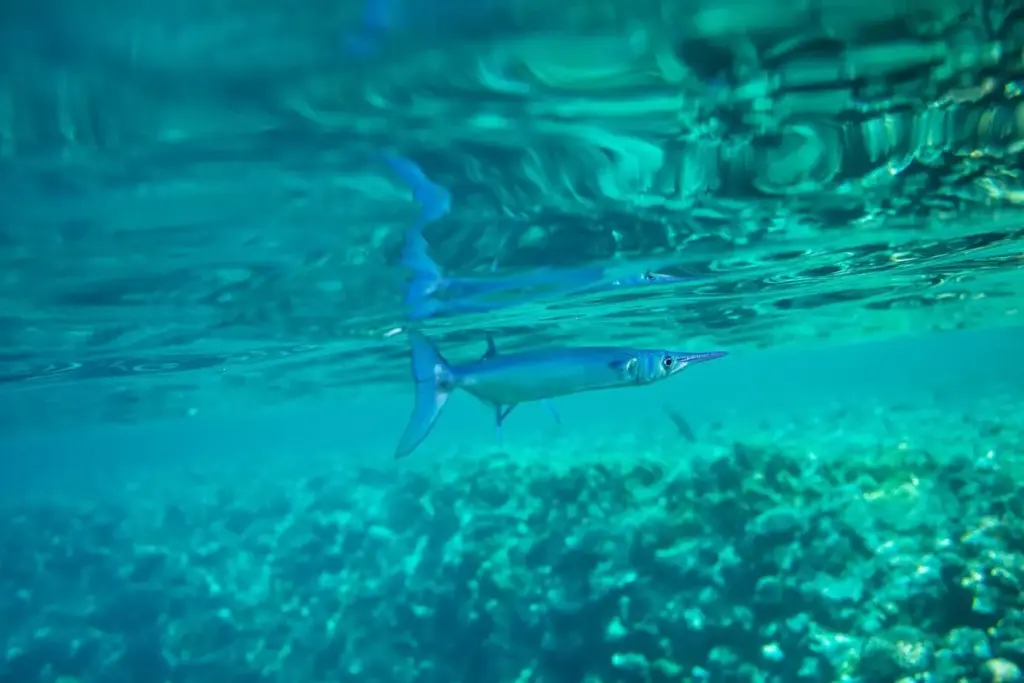
Shoreline ecosystems host surprising richness—grazing urchins, darting wrasse, patient octopuses, and splashes of soft coral that glow in slanting sun. Meeting them respectfully amplifies every moment. Glide slowly, keep hands to yourself, and let the wildlife set the pace. Listen for crackling shrimp, watch for patterns in schooling fish, and learn the subtle manners of approaching turtles without stress. Share observations afterward and celebrate small discoveries. These everyday wonders turn simple entries into stories that echo long after towels dry.

Coral Courtesy and Rock‑Pool Respect

Hard surfaces alive with polyps are not stepping stones. Keep buoyant, fin with care, and maintain a forearm’s distance from fragile structures. Avoid kneeling on the bottom, and never handle starfish or urchins for photographs. If surge pushes you near delicate areas, back away calmly and choose open sand for stops. Gentle awareness helps habitats recover and flourish. Teach friends your approach, and invite them to share new etiquette tips, weaving a community of mindful, shore‑starting explorers.

Common Coastal Companions You Might Meet

Look for shy blennies peeking from holes, parrotfish chiseling reef, rays napping beneath sandy veils, and cormorants arrowing past in sudden bursts. Tide zone life shifts hourly, welcoming visitors like sea hares after storms and juvenile fish in spring. Carry curiosity instead of expectations. Observe behaviors quietly—feeding, cleaning, mating—without interrupting. Scribble notes back on the beach so you can cross‑reference field guides later. Each identification builds a delightful map of your favorite shoreline like chapters in a living book.

Wayfinding Underwater: Natural Cues and Simple Tools

Coastal snorkeling rewards those who notice subtle guides: the angle of sunlight on sand ripples, the tug of a longshore current, the shadow of a headland stretching like a compass needle. Learn to pair these natural cues with a tiny wrist compass and a mental map of the bottom. You will move with assurance even when visibility fades. Practice regularly, celebrate small improvements, and invite friends to compare notes after each swim, strengthening collective confidence and shoreline wisdom together.

01

Sun, Swell, and Reading the Bottom

When sunlight dances across sand ridges, its direction hints at time and bearing. Kelp fronds lean with prevailing motion, marking subtle currents, while sediment clouds reveal where surge funnels. Map these signs to your route so you can glide without constant surface checks. If haze builds, slow down and align with parallel contours to maintain orientation. Returning along a familiar depth band becomes surprisingly easy when natural patterns serve as friendly breadcrumbs guiding you home, unhurried and sure‑footed.

02

A Pocket Compass and a Confident Bearing

A small, readable compass lives quietly on your wrist strap, ready to confirm intuition when landmarks vanish behind a swell. Set a simple out‑bound bearing to a waypoint, then a reciprocal for the return. Practice holding direction with relaxed, unbroken kicks rather than rigid focus. The tool is a helper, not a burden. Combine it with elapsed time and depth awareness to turn even modest visibility into a playground of certainty, where curiosity, not doubt, frames every decision.

03

Landmarks That Anchor Memory

Cliffs, colorful umbrellas, and distinct rooftops form a mosaic of reference points that feel reassuring from the waterline. Note their relative positions as you start, and imagine connecting lines like gentle threads. Periodically lift your head to confirm alignment, then settle back into calm rhythm. If wind-chop obscures details, slide closer to shore until shapes sharpen. Back on the beach, sketch what you used and invite companions to contribute. Shared mental maps deepen community knowledge and enrich future shoreline explorations.

Leave No Trace in Salt and Sun

Pack in, pack out, and pause before placing anything on living rock. Rinse gear away from tide pools, keep snacks contained, and gather stray fishing line even if it is not yours. If you spot damaged coral or entangled wildlife, notify local stewards who can act appropriately. Small gestures scale when repeated across many shorelines. Share photos of your cleanup, invite neighbors to join, and celebrate the simple joy of giving back to the places that host your adventures.

Hands‑Free Buoyancy and Respectful Positioning

A balanced, horizontal body helps you hover above delicate habitats without touching them. Practice gentle fin strokes and micro‑breath adjustments to rise or sink a few centimeters without sculling. If surge pushes you close to coral, back off to sand and reset. Photograph from respectful distances, letting water clarity do the work. The discipline of effortless control becomes its own delight, and it preserves the living canvas beneath you for the next set of curious visitors arriving from the beach.

Citizen Science and Local Stewardship

Consider logging simple observations—water temperature, visibility, and species sightings—into community platforms that help researchers track change. Join reef check days, kelp forest counts, or microplastic surveys organized by local groups. Your shore-start perspective fills information gaps boats may miss. Encourage friends to contribute even small notes. Together, these snapshots create a rich timeline that protects access, informs policies, and strengthens bonds between people and place. Your favorite cove becomes not just scenery, but a living partner in adventure.

Comfort, Training, and Calm Responses When Plans Shift

Self-guided freedom grows from simple skills practiced until they feel natural. Smooth breathing, relaxed kicking, and clear hand signals make everything easier, whether you float alone near shore or explore with a trusted buddy. Prepare for minor surprises—fogged lenses, shifting wind, unexpected surge—by rehearsing calm responses on quiet days. Confidence built gradually beats bravado every time. Share progress, ask questions, and learn from local lifeguards. Together we refine comfort into competence, and competence into joyful, repeatable shore adventures.

Breath, Relaxation, and Easy Buoyancy

Slow, steady exhales through the snorkel clear residual moisture and quiet the mind. Practice floating face‑down without kicking, letting your body find its natural balance. Use small breaths to fine‑tune buoyancy, then add gentle fin strokes for controlled movement. If heart rate rises, pause on the surface and watch the horizon until calm returns. Over time, these habits become automatic, conserving energy and sharpening awareness. The result is longer, happier swims and richer encounters with the living coast.

Buddy Signals and Surface Checks

Agree on simple hand signals before entering—OK, turn back, slow down, and something’s wrong—and demonstrate them above and below. Schedule brief surface checks to confirm bearings and share discoveries. If you separate briefly, meet at a pre‑chosen landmark. Keep communication positive and concise, reinforcing trust. A well‑coordinated pair sees more wildlife, manages conditions smoothly, and returns smiling. Invite newcomers to learn the signals, building a welcoming culture that keeps shore-based explorations safe, friendly, and wonderfully collaborative for everyone.

When Conditions Change, Change the Plan

If wind builds, visibility drops, or fatigue sneaks in, give yourself permission to shorten the loop or exit early. Calmly reassess from the surface, checking drift against landmarks and confirming signals with your partner. Small pivots preserve the day and prevent difficulties from compounding. Back on land, debrief honestly about choices and ideas for next time. Share lessons with our community in the comments, and subscribe for future route ideas and safety tips that keep adventure beautifully sustainable.
Vumukopekazoralo
Privacy Overview

This website uses cookies so that we can provide you with the best user experience possible. Cookie information is stored in your browser and performs functions such as recognising you when you return to our website and helping our team to understand which sections of the website you find most interesting and useful.